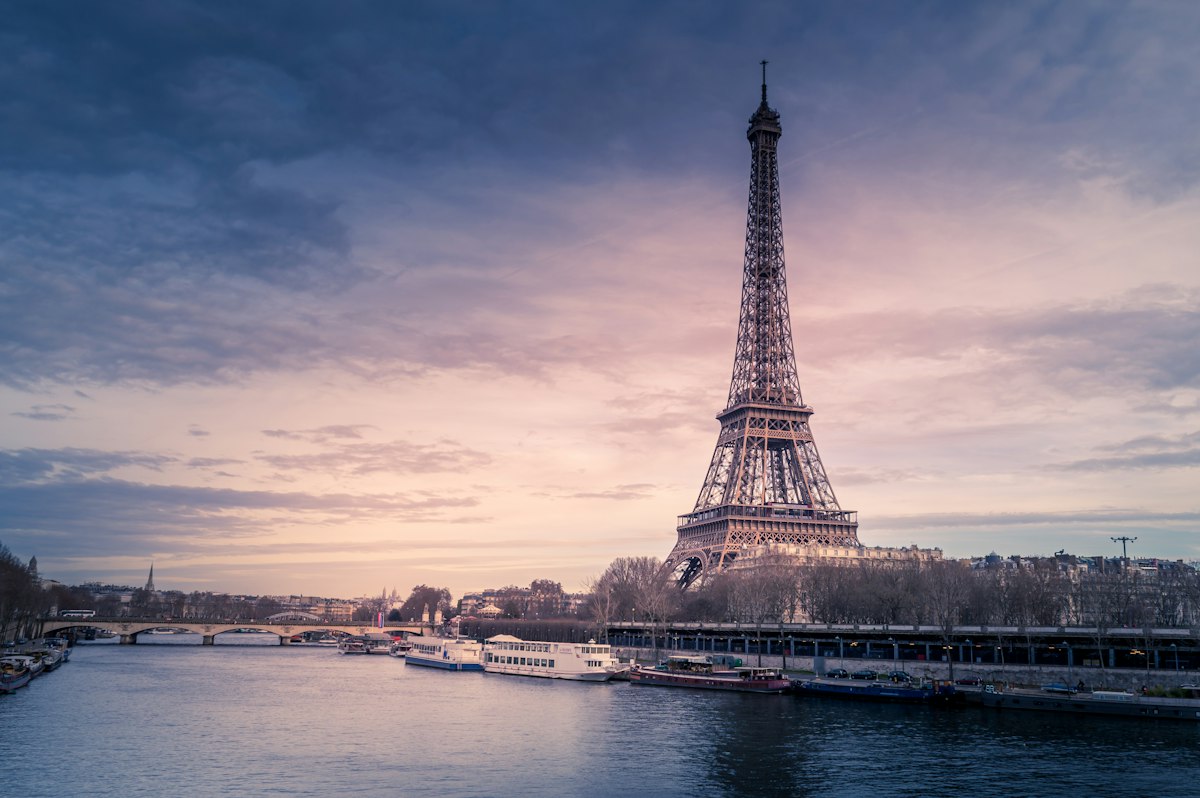
Paris
France
Best Time Spring (April-June) or Fall (September-October)
Price Level $$$
Known For Croissant, Baguette, Steak Frites
Updated Jan 2025
## The Culinary Capital of the World
Paris didn't just invent fine dining—it invented the very concept of the restaurant. And while other cities have challenged its supremacy, Paris remains the world's culinary compass. This is where chefs come to train, where food movements are born, and where a perfect croissant can still stop you in your tracks.
But Paris's food culture isn't just about white tablecloths and tasting menus. It's the corner boulangerie turning out baguettes every few hours. The neighborhood bistro serving the same steak frites recipe for fifty years. The market vendor who knows exactly when each cheese is ready to eat. Paris food is a living culture, embedded in daily life in ways that no other city quite matches.
## Understanding Parisian Food Culture
### The Daily Rituals
Parisians structure their days around food. The morning begins with a stop at the boulangerie—a fresh baguette or pain au chocolat is non-negotiable. Lunch, even for busy professionals, remains a proper affair: a two-course meal, ideally seated. The evening aperitif hour sees terraces fill with people nursing glasses of wine and small plates. Dinner rarely begins before 8 PM.
Understanding these rhythms helps you eat well. The best baguettes sell out by late morning. Restaurant kitchens have specific service windows. And a café table at 6 PM is for drinking, not dining.
### The Sacred Categories
Paris organizes its food establishments with precision:
**Boulangerie** — Bread bakery. Must bake on premises to use the term legally.
**Pâtisserie** — Pastry shop. Often combined with boulangerie.
**Bistro** — Casual restaurant serving traditional French cooking.
**Brasserie** — Similar to bistro but typically larger, often serving all day.
**Restaurant** — Full-service dining, traditionally more formal.
**Cave à manger** — Wine bar with food.
## Essential Paris Foods
### The Baguette
UNESCO recognized the French baguette as intangible cultural heritage for good reason. A proper Parisian baguette has a crackling crust, an open and irregular crumb, and a flavor that balances wheat, yeast, and salt in perfect harmony. It begins to go stale within hours—which is why Parisians buy them fresh at least once daily.
The best boulangeries often have lines out the door. This is a good sign.
### The Croissant
Like the baguette, croissant quality varies wildly. An excellent croissant is golden, shatteringly crisp on the outside, with visible layers and a slightly soft, buttery interior. A mediocre one is pale, dense, and forgettable. The French butter makes all the difference.
### Bistro Classics
The neighborhood bistro remains Paris's greatest contribution to daily eating:
**Steak Frites** — A good bavette or entrecôte, properly seasoned, with hand-cut fries. Simple and perfect.
**Coq au Vin** — Chicken braised in red wine with mushrooms, lardons, and pearl onions.
**French Onion Soup** — Caramelized onions in rich beef broth, topped with crusty bread and melted Gruyère.
**Duck Confit** — Duck leg, slow-cooked in its own fat until falling-off-the-bone tender.
**Blanquette de Veau** — Veal stew in cream sauce. Grandmother cooking at its finest.
## Where to Eat in Paris
### Le Marais
Once the Jewish quarter, now one of Paris's trendiest neighborhoods, Le Marais offers everything from traditional Jewish bakeries to cutting-edge natural wine bars. Wander the narrow streets and stumble into discoveries.
### Saint-Germain-des-Prés
The Left Bank's historic café culture lives on in Saint-Germain. Yes, Café de Flore and Les Deux Magots are tourist destinations, but the neighborhood also hides excellent bistros, cheese shops, and chocolate makers.
### Montmartre
Beyond the tourist crush of Sacré-Cœur, Montmartre retains genuine village charm. Narrow streets shelter traditional bistros, and the views over Paris make any meal feel special.
### The 11th Arrondissement
If you want to eat where young Parisians eat, head to the 11th. Oberkampf and the surrounding streets are packed with creative restaurants, natural wine bars, and some of the city's best new cooking.
## Markets: The Heart of Paris Food
Paris's outdoor markets are where the city's food culture comes alive. Each neighborhood has its own marché, typically operating two or three mornings per week. The ritual is the same: vendors call out prices, shoppers inspect produce with serious attention, and the best stalls always have lines.
**Marché d'Aligre** — Perhaps the city's best market, combining an outdoor market with a covered hall. In the diverse 12th arrondissement.
**Marché des Enfants Rouges** — The oldest covered market in Paris, now home to prepared food stalls alongside traditional vendors.
**Rue Mouffetard** — A market street in the Latin Quarter, atmospheric if touristy.
## The Wine Factor
Paris is a wine city. Most restaurants offer excellent by-the-glass selections, and the cave à manger (wine bar with food) has become a defining Parisian institution. The city has also embraced the natural wine movement—funky, low-intervention wines are now everywhere.
You don't need to be an expert. Point at what someone else is drinking, or ask for a recommendation. Parisians love sharing their wine knowledge.
What to Eat in Paris
- ðŸ½ï¸ Croissant
- ðŸ½ï¸ Baguette
- ðŸ½ï¸ Steak Frites
- ðŸ½ï¸ Coq au Vin
- ðŸ½ï¸ French Onion Soup
- ðŸ½ï¸ Duck Confit
- ðŸ½ï¸ Macarons
- ðŸ½ï¸ Crème Brûlée