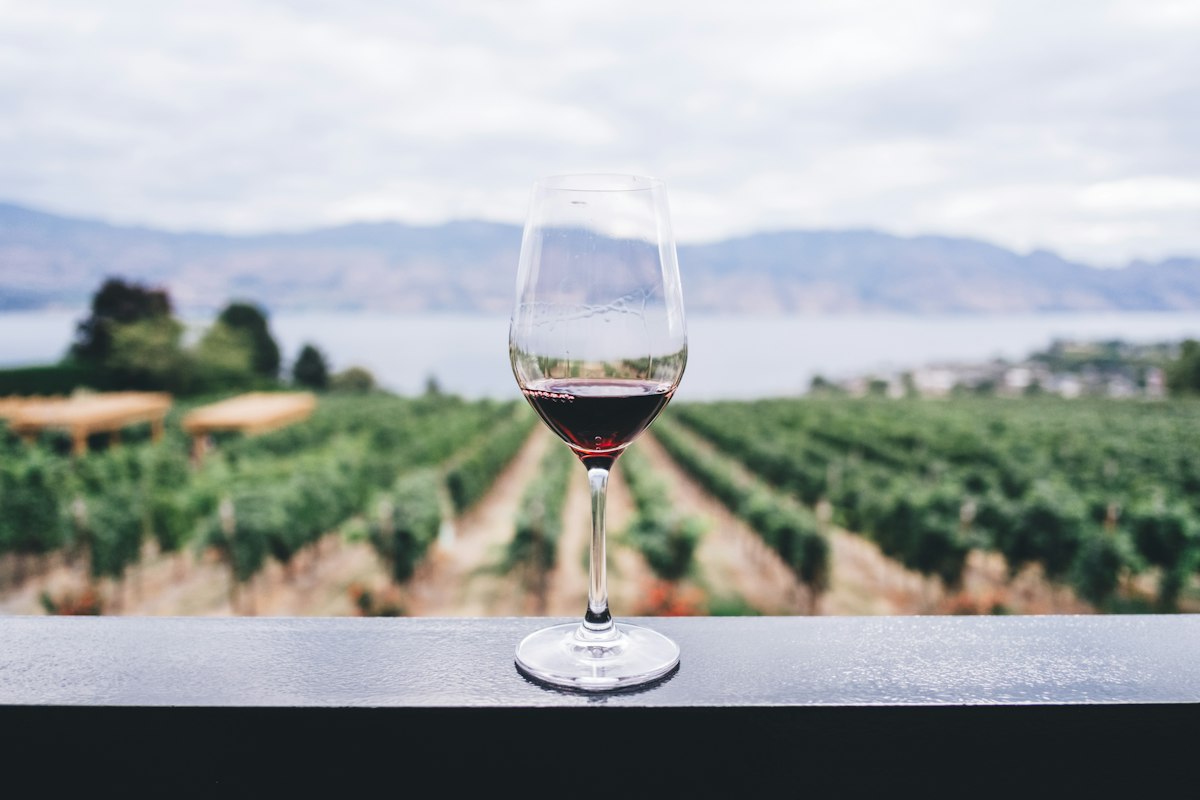
Florence Wine Tasting: A Guide to Tuscan Wine Country
Tuscany: Wine Heaven at Florence’s Doorstep
Florence sits at the center of one of the world’s greatest wine regions. Within an hour’s drive lie Chianti Classico’s rolling hills, Montalcino’s Brunello producers, the noble wines of Montepulciano, and dozens of smaller appellations making exceptional wine. For wine lovers, Florence isn’t just a destination—it’s a base camp for exploration.
This guide will help you understand the wines, plan your visits, and make the most of Tuscany’s wine country whether you have half a day or a full week.
Overview: Understanding Tuscan Wine {#overview}
The Key Regions
Chianti Classico — The original Chianti zone, between Florence and Siena. Home to Sangiovese-based reds ranging from fresh and fruity to complex and age-worthy. The black rooster (gallo nero) symbol indicates authentic Chianti Classico.
Brunello di Montalcino — About 90 minutes from Florence, producing some of Italy’s most prestigious (and expensive) wines. 100% Sangiovese, aged minimum five years before release.
Vino Nobile di Montepulciano — The “noble wine” from the hilltop town of Montepulciano. Sangiovese-based (locally called Prugnolo Gentile), excellent value compared to Brunello.
Vernaccia di San Gimignano — Tuscany’s most famous white wine, from the medieval tower town. Crisp, minerally, and perfect with seafood.
Bolgheri — On the coast, home to “Super Tuscans” blending Sangiovese with international varieties like Cabernet and Merlot.
The Grape: Sangiovese
Sangiovese is Tuscany’s defining grape, responsible for Chianti, Brunello, Vino Nobile, and countless other wines. It produces medium-bodied reds with high acidity, cherry fruit, and earthy, herbal notes. The grape is notoriously site-sensitive—the same clone tastes completely different in Chianti versus Montalcino.
Understanding Sangiovese means understanding Tuscan wine. Pay attention to how it expresses differently across regions.
What to Expect {#what-to-expect}
At Tuscan Wineries
Visiting wineries in Tuscany is generally more relaxed than in regions like Bordeaux or Napa. Many estates welcome walk-ins, though appointments are increasingly preferred at prestigious producers. Typical visits include:
- Tour of the cellar — See where the magic happens, from fermentation tanks to aging barrels
- Tasting of 3-6 wines — Usually progressing from lighter to more complex
- Food pairing — Many wineries offer cheese, salumi, or full meals
- Olive oil tasting — Most Tuscan estates also produce oil
- Time to linger — This isn’t a factory tour; expect 1-2 hours minimum
Pricing
Tasting fees vary widely:
- Simple Chianti producers: €10-20 per person
- Prestigious Chianti Classico: €25-40
- Brunello producers: €30-60
- Top estates with meals: €75-150+
Many smaller producers waive tasting fees if you purchase wine.
Getting There
Without a car, your options are:
- Organized tours — Most convenient, includes transportation and guide
- Private driver — Flexible but expensive (€300-500/day)
- Public transport + taxi — Possible for well-connected towns like Greve or Montalcino
- Bike tours — Increasingly popular, combines exercise with wine
If you’re doing multiple tastings, having a designated driver is essential.
Top Picks: Best Wine Experiences {#top-picks}
Best Day Trip: Chianti Classico
The classic Tuscan wine experience is achievable in a day from Florence. The heart of Chianti Classico—Greve, Panzano, Radda, Gaiole, and Castellina—offers stunning landscapes, excellent wines, and that quintessential Tuscan atmosphere.
Recommended itinerary:
- Leave Florence by 9:30 AM
- First winery by 10:30 (reserve ahead)
- Explore a village (Greve has an excellent Tuesday market)
- Lunch at a winery or trattoria
- Second winery in the afternoon
- Return to Florence by evening
Wineries to consider:
- Castello di Verrazzano — Historic estate with stunning views
- Fontodi — Organic pioneer, exceptional Chianti Classico
- Castello di Ama — Art collection alongside great wine
- Badia a Coltibuono — Ancient monastery turned winery
Best for Serious Wine Lovers: Montalcino
Brunello di Montalcino represents Tuscan winemaking at its most ambitious. The wines require age and command premium prices, but the best producers create something truly special. The town of Montalcino itself is charming, with wine shops offering tastings if you can’t visit estates.
Top producers accepting visitors:
- Biondi-Santi — The Brunello originator, by appointment only
- Casanova di Neri — Modern style, approachable young
- Il Poggione — Traditional producer, excellent value
- Poggio di Sotto — Organic, elegance over power
Time required: Full day minimum; overnight recommended
Best Value: Montepulciano
The hilltop town of Montepulciano offers a complete wine experience: excellent wines at lower prices than Brunello, a beautiful medieval center, and numerous tasting rooms right in town. You can walk between enotecas (wine shops) and explore cellars carved into the hillside.
What to do:
- Visit Contucci — Historic cellars beneath Piazza Grande
- Taste at De’ Ricci — Atmospheric underground caves
- Lunch at Osteria Acquacheta (book ahead)
- Explore more cellars in the afternoon
Best Near Florence: Rufina
If you have limited time, the Rufina area east of Florence offers quality Chianti within 30 minutes of the city. Less touristy than Classico, with excellent value wines.
Notable producer: Selvapiana — Family-owned, traditional, welcomes visitors
Tips for Wine Tasting Success {#tips}
Before You Go
-
Book ahead. Even casual wineries prefer appointments. For prestigious estates, reserve 1-2 weeks in advance.
-
Plan transportation. Italy’s drink-driving limits are strict (0.05% BAC). Tours, drivers, or a designated sober person are essential.
-
Wear comfortable shoes. Cellars have uneven floors; vineyard walks are common.
-
Bring cash. Smaller producers may not accept cards.
During Tastings
-
Start light, progress heavy. Most tastings are structured this way, but if given choices, follow this logic.
-
Spit if needed. It’s expected at professional tastings and doesn’t offend.
-
Ask questions. Winemakers and guides love sharing knowledge. Show genuine interest.
-
Take notes. You’ll taste many wines; you won’t remember details without writing them down.
-
Don’t fill up. If food is offered, pace yourself. More wineries may follow.
Buying Wine
- Prices at wineries are usually comparable to or better than retail
- Shipping can be arranged for larger purchases
- Olive oil often represents better value than wine as a take-home
- Bring a cooler if buying wine in summer
Frequently Asked Questions {#faq}
What’s the best time of year for wine tasting?
Spring (April-May) and fall (September-October) offer the best weather. Harvest season (September-October) is magical but wineries are busy. Summer is hot and crowded; winter is quiet but some estates close.
Do I need to speak Italian?
At tourist-oriented estates, English is widely spoken. Smaller, family-run operations may require basic Italian or patience with translation apps.
Can I visit wineries without a tour?
Yes, but logistics are easier with a tour. Independent visits work best with a rental car and advance appointments. Some towns (Montepulciano, Montalcino) have enough in-town tasting rooms for a car-free visit.
How many wineries should I visit in a day?
Two to three is ideal. More than that leads to palate fatigue and rushed experiences. Quality over quantity.
What should I wear?
Smart casual is fine everywhere. Cellars are cool even in summer—bring a layer. Skip high heels; cobblestones and barrel rooms don’t mix.
Is wine tasting suitable for non-drinkers?
Many estates offer olive oil tastings, vineyard tours, and meals that don’t require drinking. Some welcome designated drivers with enthusiasm. Tuscan hospitality extends to everyone.
Should I buy wine to bring home?
If you find something you love and can transport it safely, yes. Italian wine laws allow generous personal imports. For fine wines, consider shipping services to ensure proper handling.
Top Wine Tastings in Florence
Handpicked experiences based on traveler reviews and our editorial standards.
Disclosure: This article contains affiliate links. If you book through our links, we may earn a small commission at no extra cost to you. Learn more.
 #1
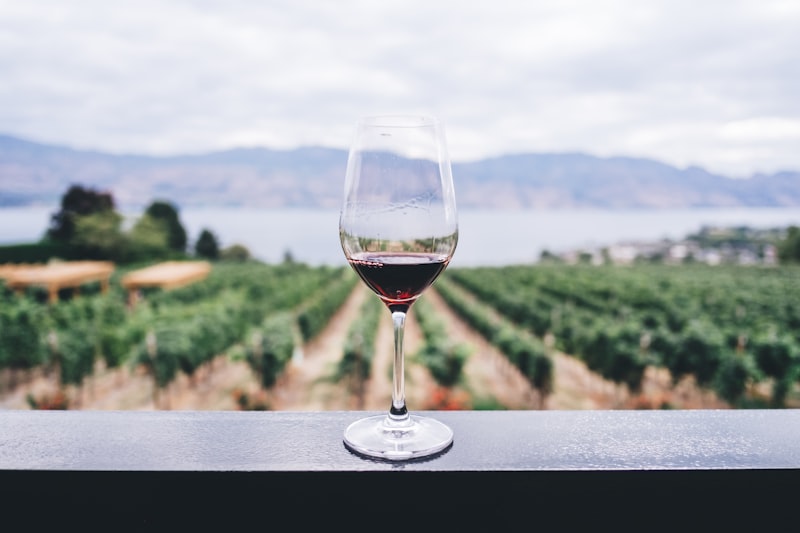
#1Chianti Wine Tour from Florence
Escape to the rolling hills of Chianti for a day of wine tasting. Visit two family-owned wineries, taste reserve Chianti Classico, enjoy a traditional Tuscan lunch, and soak in stunning vineyard views.
Highlights
- ✓2 winery visits
- ✓8+ wine tastings
- ✓Tuscan lunch included
Affiliate link · Prices may vary
 #2
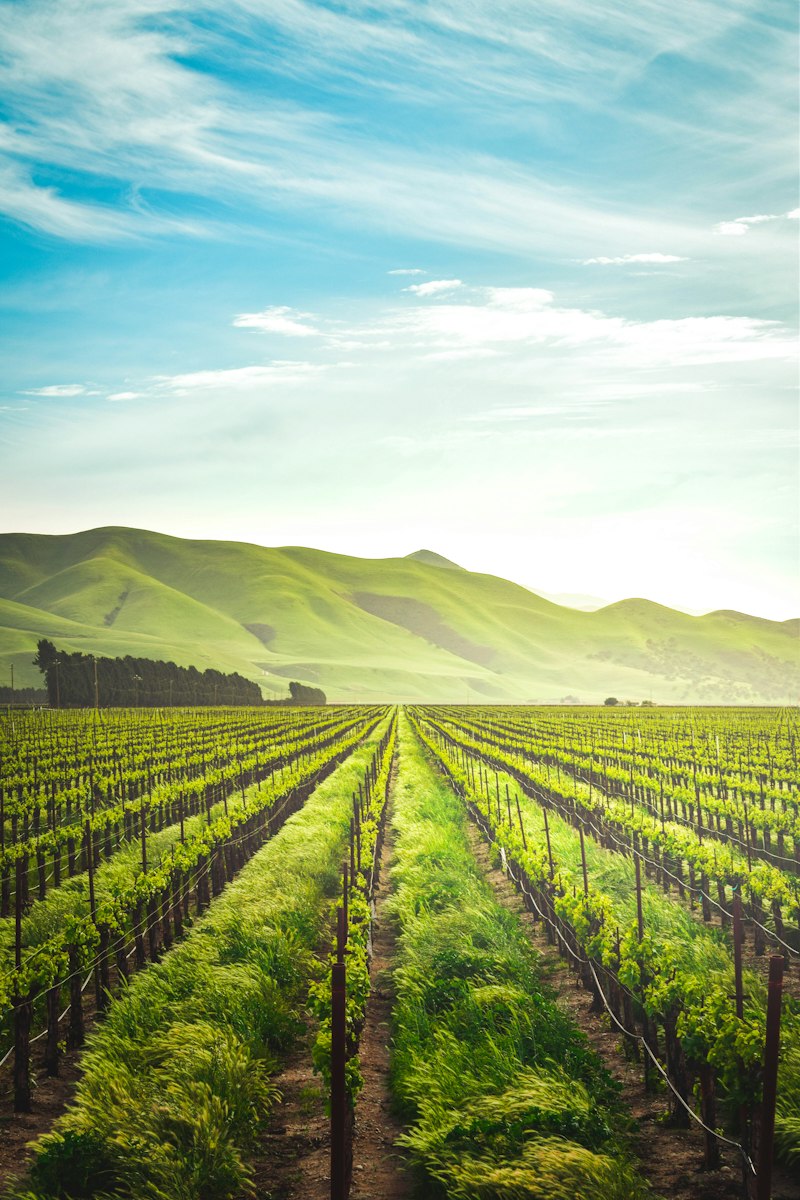
#2Sunset Wine Tour in Tuscan Hills
Watch the sun set over Tuscany's golden hills while sipping Chianti at a boutique winery. This small-group evening tour includes gourmet appetizers and unforgettable photo opportunities.
Highlights
- ✓Sunset timing guaranteed
- ✓Boutique family winery
- ✓5 wine tastings
Affiliate link · Prices may vary
 #3
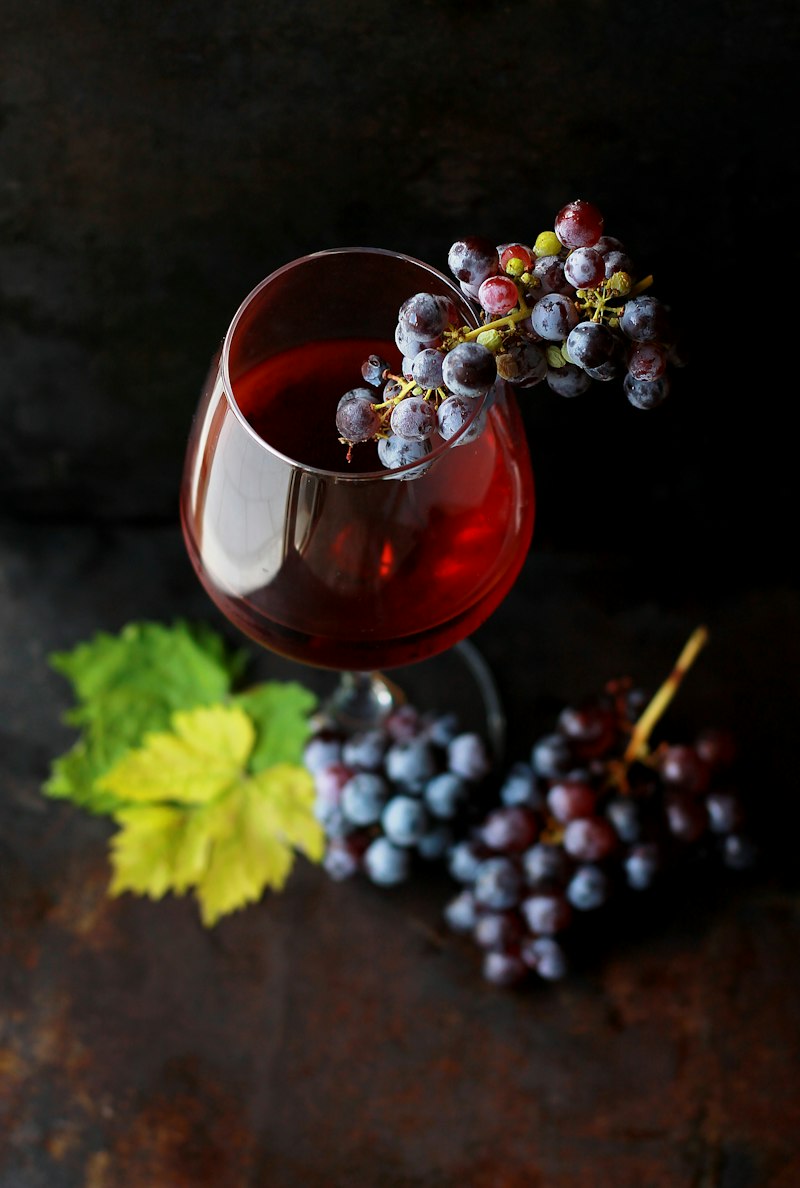
#3Florence Wine Cellar Tasting Experience
Descend into a historic wine cellar beneath Florence's streets for an intimate tasting. Sample Brunello di Montalcino, Super Tuscans, and rare vintages guided by a certified sommelier.
Highlights
- ✓Historic underground cellar
- ✓6 premium wines
- ✓Certified sommelier
Affiliate link · Prices may vary
Prices and availability subject to change. How we select experiences.
Giovanni Bianchi
food travel writer and food tour enthusiast. Always searching for the next great meal.