
The Complete Guide to Rome Food Tours in 2025
Why Take a Food Tour in Rome?
Rome’s culinary landscape can be overwhelming. With thousands of restaurants, trattorias, and street food vendors spread across dozens of neighborhoods, knowing where to start—and what to order once you get there—is half the battle. A well-guided food tour cuts through the noise, taking you directly to the places that locals love and providing the cultural context that transforms eating into understanding.
But not all food tours are created equal. The difference between a mediocre tour and an exceptional one can mean the difference between standing in line at tourist traps and sitting down to carbonara at a third-generation family trattoria that doesn’t even have a sign outside.
This guide will help you understand what makes a great Rome food tour, which neighborhoods offer the best experiences, and how to choose the right tour for your interests and appetite.
Overview: What to Expect {#overview}
A typical Rome food tour lasts between 3-4 hours and includes 5-8 stops. You’ll walk between locations—usually 2-3 miles total—with your guide providing historical and cultural context along the way. Most tours include enough food to constitute a full meal, though portions at each stop are designed for tasting rather than filling up.
What You’ll Typically Eat
The specific foods vary by tour and neighborhood, but expect some combination of:
- Pasta — Usually one of Rome’s classic preparations (carbonara, cacio e pepe, amatriciana, or gricia)
- Pizza — Roman-style thin crust, often pizza al taglio (by the slice)
- Supplì — Fried rice balls with a molten mozzarella center
- Cured meats and cheeses — Prosciutto, guanciale, pecorino Romano
- Seasonal vegetables — Artichokes (in season), chicory, puntarelle
- Dessert — Gelato, maritozzo (cream-filled brioche), or pastries
- Coffee — A proper Italian espresso to end
What’s Usually Included
- All food tastings
- Local guide
- Bottled water
- Wine or other beverages at most stops
- Cultural and historical commentary
What’s Usually Not Included
- Additional alcoholic drinks
- Gratuities (optional but appreciated)
- Transportation to/from meeting point
What to Expect on a Rome Food Tour {#what-to-expect}
The Pace
Food tours in Rome are leisurely by design. Italians don’t rush meals, and a good guide will build in time to linger at each stop, ask questions, and absorb the atmosphere. Expect to spend 15-30 minutes at each location, with walking time between stops.
The Walking
Rome is a walking city, and food tours take full advantage of this. You’ll cover 2-4 miles over the course of the tour, mostly on flat ground but with some cobblestones. Comfortable shoes are essential. Most tours are not suitable for wheelchairs or those with significant mobility limitations, though some operators offer accommodations with advance notice.
The Portions
Each stop offers a taste rather than a full portion. By the end, you’ll have consumed roughly a full meal’s worth of food, but spread across multiple dishes and locations. Come hungry, but not starving—you want to enjoy each stop without feeling desperate for food.
The Group Size
Group sizes vary widely. Some tours cap at 8-10 people for a more intimate experience; others may have up to 20 participants. Smaller groups generally mean more access to guides and more personalized attention. Check before booking if group size matters to you.
Our Top Picks: Best Rome Food Tours {#top-picks}
After researching dozens of options and speaking with travelers who’ve taken them, here are the tours we recommend most highly. Each offers something different, so consider your interests and schedule when choosing.
Best Overall: Testaccio Food Tour
The Testaccio neighborhood is Rome’s culinary heartland, and tours here offer the most authentic introduction to Roman food culture. You’ll visit a traditional market, sample street food, and eat at family-run establishments that have been serving the same dishes for generations.
Why we love it:
- Testaccio is genuinely local—few tourists venture here on their own
- The neighborhood’s history as Rome’s slaughterhouse district means deep roots in traditional cuisine
- Market stops let you see how Romans actually shop
- Guides here tend to be passionate locals rather than generic tour operators
Best for: Food enthusiasts who want depth over breadth, travelers who’ve visited Rome before, anyone interested in food history.
Best for First-Timers: Trastevere Evening Tour
Trastevere offers the romance and atmosphere that many first-time visitors imagine when they think of Rome. Evening tours here capture the neighborhood at its best—streets filled with the golden light of sunset, aperitivo crowds spilling onto piazzas, and the buzz of a city coming alive for dinner.
Why we love it:
- The setting is stunning, especially at dusk
- Good balance of history, culture, and food
- Evening timing means you can skip dinner after (or join locals for a late second dinner)
- More accessible to those with limited time or mobility
Best for: First-time Rome visitors, couples, those short on time, anyone who wants atmosphere with their meal.
Best for History Lovers: Jewish Quarter Walking Food Tour
The Jewish Ghetto offers Rome’s most historically significant food tour. The neighborhood’s cuisine—developed over centuries of cultural exchange and dietary laws—is distinct from the rest of the city, and the stories behind the food are fascinating.
Why we love it:
- Carciofi alla giudia (Jewish-style artichokes) are a must-eat Roman dish
- The history is genuinely moving and important
- Smaller operators here tend to be excellent
- Less physically demanding than some other neighborhood tours
Best for: History enthusiasts, those interested in Jewish culture, visitors who’ve already done other Rome neighborhoods.
Tips & Advice {#tips}
Before You Book
-
Read recent reviews carefully. Food tour quality can change when guides leave or restaurants change. Look for reviews from the last 3-6 months.
-
Check the dietary accommodation policy. If you have allergies, intolerances, or dietary restrictions, contact the operator directly before booking. Most can accommodate with advance notice.
-
Consider the timing. Morning tours often include markets; evening tours capture the aperitivo and dinner atmosphere. Lunch tours exist but are less common.
-
Book in advance. Popular tours fill up, especially in high season. Booking 1-2 weeks ahead is wise; for peak times (May-June, September-October), consider booking earlier.
On the Day
-
Skip breakfast. Come hungry enough to enjoy multiple stops but not so famished that you fill up at the first one.
-
Wear comfortable shoes. You’ll walk several miles on cobblestones. Fashion can wait.
-
Bring cash. While the tour itself is typically paid in advance, you may want small euros for tips or additional purchases.
-
Ask questions. Good guides love curious guests. Don’t be shy about asking for recommendations beyond the tour.
-
Pace yourself. You don’t have to finish everything at every stop. It’s better to taste well than eat too much.
After the Tour
-
Take notes. Write down the places you loved—you may want to return independently.
-
Tip your guide. If the experience was good, €5-10 per person is customary.
-
Leave a review. Helps future travelers and supports good operators.
Frequently Asked Questions {#faq}
How much do Rome food tours cost?
Expect to pay €70-120 per person for a quality tour. Budget options exist for €50-60 but often cut corners on food quality or visit tourist-oriented establishments. Premium and private tours can run €150-300+.
Are food tours worth it?
For most visitors, yes. The value isn’t just in the food—it’s in the access (many stops aren’t obvious to outsiders), the context (understanding why Romans eat what they eat), and the efficiency (hitting the highlights without research). Even experienced travelers often find food tours worthwhile in new cities.
Can I do a food tour with dietary restrictions?
Most operators can accommodate vegetarians, and many can handle gluten-free or dairy-free diets with advance notice. Vegan options are more limited in traditional Roman cuisine but possible. Always contact operators directly to discuss your specific needs.
What’s the best time of year for Rome food tours?
Spring (April-May) and fall (September-October) offer the best combination of weather and seasonal ingredients. Summer is hot and crowded; winter is quieter but some seasonal specialties won’t be available.
Should I do a group tour or private?
Group tours are fine for most visitors and offer better value. Private tours make sense for those with specific interests, dietary needs, or scheduling constraints. They also work well for families with young children or groups who want to set their own pace.
How do I choose between different neighborhoods?
- Testaccio for authenticity and food history
- Trastevere for atmosphere and evening ambiance
- Jewish Quarter for unique cuisine and history
- Centro Storico for convenience and iconic sites
Consider doing multiple tours if you have time—each neighborhood offers something different.
Top Food Tours in Rome
Handpicked experiences based on traveler reviews and our editorial standards.
Disclosure: This article contains affiliate links. If you book through our links, we may earn a small commission at no extra cost to you. Learn more.
 #1
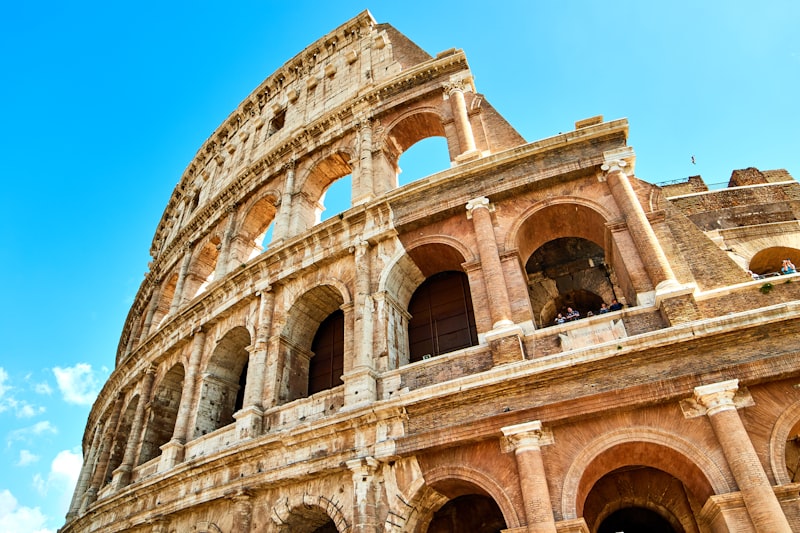
#1Trastevere Food Tour with Local Guide
Discover the authentic flavors of Rome's beloved Trastevere neighborhood. Visit family-owned trattorias, sample fresh pasta, crispy supplì, and artisanal gelato while learning about Roman culinary traditions.
Highlights
- ✓Small group of max 12 people
- ✓Visit 5 local food stops
- ✓Taste authentic carbonara at a 50-year-old trattoria
Affiliate link · Prices may vary
 #2
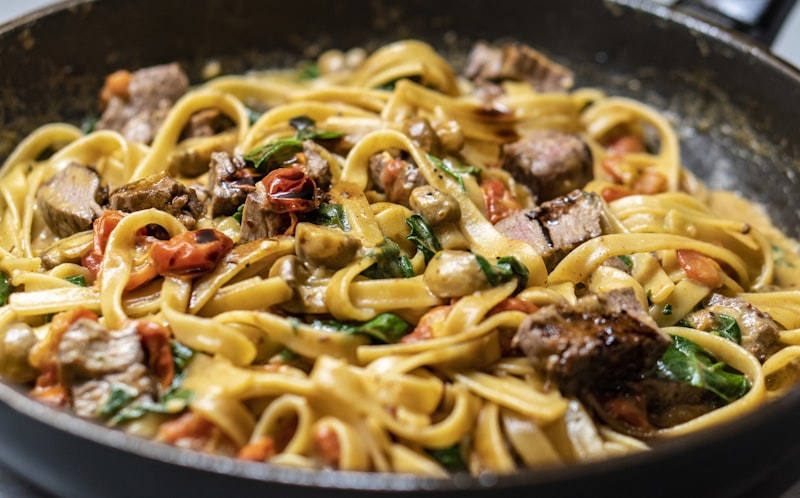
#2Jewish Ghetto Food Tour with Wine
Discover the unique Roman-Jewish cuisine in one of the world's oldest Jewish communities. Taste fried artichokes, traditional pasta dishes, and sweets while learning about this neighborhood's fascinating history.
Highlights
- ✓Famous carciofi alla giudia
- ✓Traditional Roman-Jewish recipes
- ✓Historic synagogue views
Affiliate link · Prices may vary
 #3
#3Testaccio Food & History Walking Tour
Explore Rome's original foodie neighborhood with a local expert. Testaccio was home to the city's slaughterhouse and has a rich culinary heritage. Taste the famous quinto quarto dishes and visit the covered market.
Highlights
- ✓Visit Testaccio Market
- ✓Learn about quinto quarto tradition
- ✓Taste authentic coda alla vaccinara
Affiliate link · Prices may vary
Prices and availability subject to change. How we select experiences.
Marco Rossi
food travel writer and food tour enthusiast. Always searching for the next great meal.