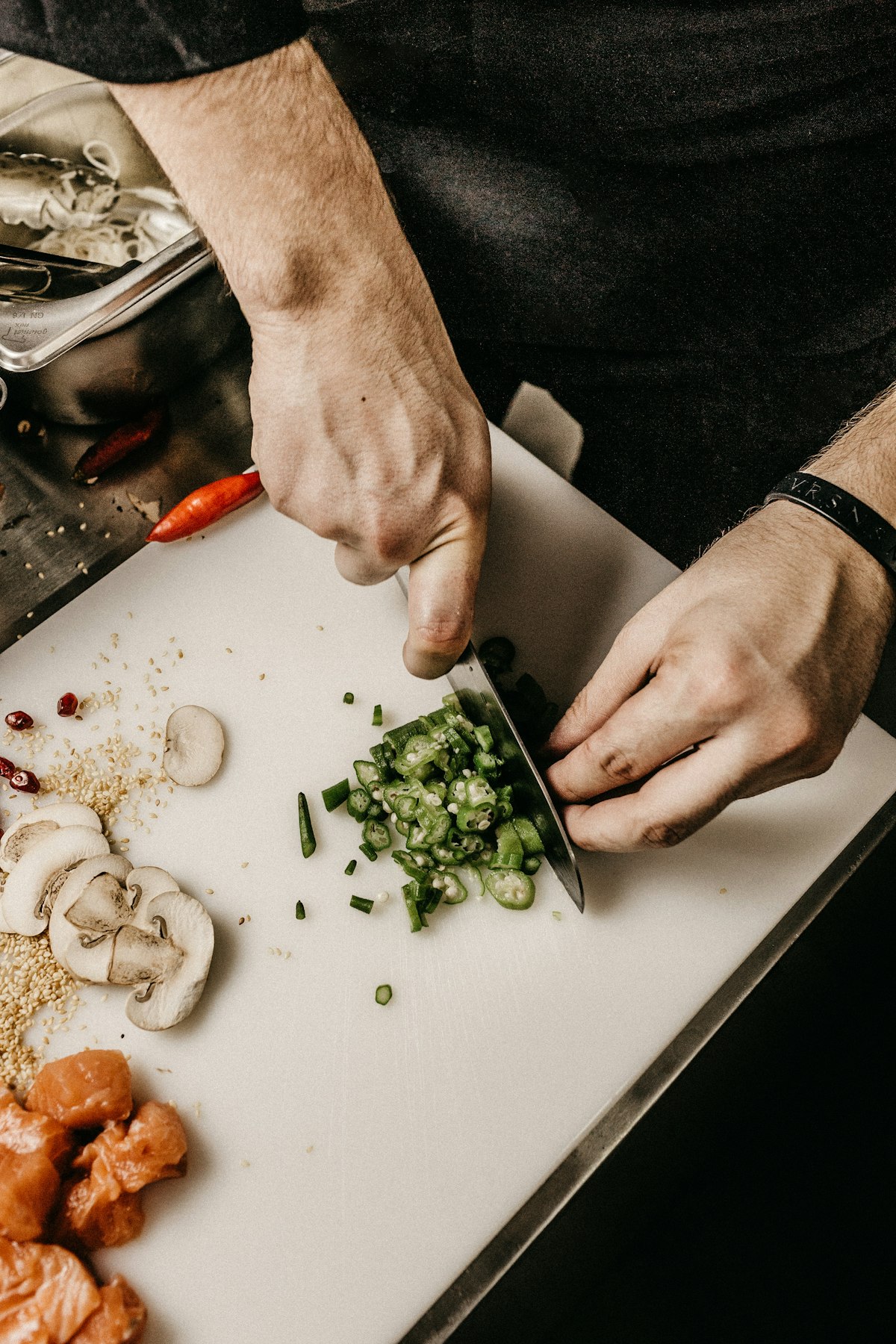
Tokyo Street Food: A Local's Guide to the Best Bites
The Art of Casual Eating in Tokyo
Tokyo might be famous for Michelin stars and omakase counters, but the city’s true soul is found in its casual eateries. Standing ramen bars where you slurp alongside salary workers. Yakitori alleys smoky with grilling chicken. Konbini (convenience stores) stocking onigiri that puts most restaurant rice to shame.
This is not street food in the traditional sense—Japan generally frowns on eating while walking—but rather a constellation of casual, affordable, and spectacularly delicious spots that form the backbone of how Tokyoites actually eat.
Overview: Understanding Tokyo’s Casual Food Culture {#overview}
Before diving into specific spots, it helps to understand how casual eating works in Tokyo:
The Rules (Unwritten but Important)
-
No eating while walking. Find a spot to stand still, or eat inside. This is especially true on public transit.
-
No tipping. Service charges don’t exist. Excellent service is simply expected.
-
Use the ticket machine. Many casual spots use vending machines (券売機, kenbaiki) where you order and pay before sitting. Look for pictures if you can’t read Japanese.
-
Finish what you order. Leaving food is considered rude. Order less if you’re unsure.
-
Return your dishes. Many places have a return window or shelf. Look for where others put their empty bowls.
Price Expectations
Tokyo’s casual food is remarkably affordable:
- Ramen: ¥800-1,200 (~$6-9)
- Yakitori: ¥100-300 per skewer (~$0.75-2.25)
- Curry: ¥600-900 (~$4.50-7)
- Onigiri: ¥120-250 (~$0.90-2)
- Gyudon: ¥400-600 (~$3-4.50)
What to Expect {#what-to-expect}
The Ramen Experience
Ramen shops in Tokyo operate with factory-like efficiency. You’ll order at a ticket machine, hand your ticket to the cook, wait (usually standing or on a small stool), receive your bowl, eat quickly, and leave. The whole process might take 20 minutes.
This isn’t rushed—it’s just how it’s done. Ramen is best eaten immediately, while the noodles are perfectly textured and the broth is searingly hot. Lingering defeats the purpose.
Standing Bars and Tachinomi
Tachinomi (立ち飲み) literally means “standing drinking.” These no-frills bars serve drinks and simple food at low prices. The standing format keeps costs down and turnover high. They’re perfect for a quick drink and snack, or as the first stop on a night out.
Yokocho Culture
Tokyo’s yokocho are narrow alleys lined with tiny bars and restaurants, most seating fewer than ten people. The atmosphere is convivial—strangers share tables, conversation flows easily, and the line between bar and restaurant blurs. Each yokocho has its own character, from the smoky Showa-era charm of Omoide Yokocho to the artsier vibe of Shimokitazawa’s alleys.
Top Picks: Where to Eat {#top-picks}
Best Ramen
Fuunji (Shinjuku) Famous for their tsukemen (dipping noodles), Fuunji draws lines that snake down the block—and they’re worth it. The thick, chewy noodles arrive separately from a concentrated fish-and-pork broth. Dip, slurp, repeat.
Rokurinsha (Tokyo Station) Located in Ramen Street beneath Tokyo Station, Rokurinsha serves exceptional tsukemen in a convenient location. Perfect for a quick meal before catching a train.
Afuri (multiple locations) For something lighter, Afuri’s yuzu shio (citrus salt) ramen is a revelation. The bright, clean broth is a refreshing contrast to heavier tonkotsu styles.
Best Yakitori
Yurakucho Gado-shita The area beneath the Yurakucho train tracks is yakitori paradise. A cluster of smoky, standing-room-only joints where chicken skewers come off the grill in a constant stream. Choose any spot that looks busy—they’re all good.
Toriki (Shibuya) A local favorite that manages to maintain quality despite its popularity. Counter seating lets you watch the grill masters at work.
Best Late-Night Eats
Omoide Yokocho (Shinjuku) “Memory Lane” (or less politely, “Piss Alley”) is the classic Tokyo yokocho experience. Tiny bars, clouds of smoke, and skewers of everything from standard chicken to more adventurous options. Come after 9 PM when the atmosphere peaks.
Nonbei Yokocho (Shibuya) Shibuya’s equivalent to Omoide Yokocho, but smaller and slightly more upscale. A good option if the Shinjuku scene feels too intense.
Best Convenience Store Food
Yes, seriously. Tokyo convenience stores (konbini) are a category unto themselves:
7-Eleven — Best onigiri selection, excellent fried chicken (karaage)
Lawson — Famous for their karaage-kun chicken nuggets and premium desserts
FamilyMart — Strong on sandwiches and the “Famichiki” fried chicken
Don’t sleep on konbini food. The rice is made fresh multiple times daily, the sandwiches are better than most cafes, and the oden (fish cake stew, winter only) is genuine comfort food.
Tips for Success {#tips}
Navigating Ticket Machines
Ticket machines look intimidating but follow a simple pattern:
- Look at the machine (most have pictures)
- Insert money first (machines won’t work otherwise)
- Press the button for your item
- Take your ticket
- Hand the ticket to staff when you sit
If you’re stuck, point at what you want on the menu or at what someone else is eating. Staff are used to helping tourists.
Timing Your Visits
- Lunch rush: 12:00-1:30 PM. Expect lines at popular spots.
- Dinner prime time: 7:00-9:00 PM. Busiest, but best atmosphere.
- Late night: After 10 PM. Lines ease, but some spots close early.
- Best time to avoid crowds: Early (before noon) or mid-afternoon (2:30-5:30 PM)
Ordering Strategies
Most casual spots offer a standard (並, nami) and large (大, dai or ō) size. Standard is usually plenty. Common add-ons:
- Egg (卵, tamago) — Soft-boiled in ramen, raw on rice
- Chashu (チャーシュー) — Extra pork slices
- Negi (ネギ) — Extra green onions
- Nori (海苔) — Extra seaweed
If you finish your noodles but have broth left, many ramen shops offer kaedama (替え玉)—an extra serving of noodles for a small charge.
Solo Dining
Tokyo is the world’s best city for solo dining. Counter seating is standard, eating alone is completely normal, and many places are specifically designed for individual diners. Don’t be shy about eating solo—you might actually have a better experience than in a group.
Frequently Asked Questions {#faq}
Do I need to speak Japanese?
No, though a few phrases help. Most casual spots have picture menus, ticket machines, or are used to pointing-based ordering. “Kore” (this) while pointing works wonders.
Is it safe to eat at tiny hole-in-the-wall places?
Absolutely. Japan’s food safety standards are exceptionally high. The shabbier the exterior, the better the food might be—appearance matters less than craft.
Can I get vegetarian street food in Tokyo?
It’s challenging but possible. Most broths contain fish or meat products, even if the dish itself seems vegetarian. Shojin ryori (Buddhist temple cuisine) restaurants are a safe bet. Some ramen shops offer vegetable broth options—Afuri and T’s TanTan are good choices.
How do I find good spots?
- Follow the lines. Japanese people queue for quality.
- Look for Japanese customers. Tourist-heavy spots often indicate mediocrity.
- Check Tabelog. Japan’s restaurant review site is more reliable than Western alternatives for local spots.
- Ask locals. Hotel staff, shopkeepers, and taxi drivers all have opinions.
What if I have food allergies?
This is genuinely difficult in Japan. Allergy awareness is lower than in Western countries, and hidden ingredients (fish in broths, wheat in soy sauce) are common. Learn to communicate your allergies clearly in Japanese or carry a translation card. When in doubt, stick to simple, recognizable items.
When are things closed?
Many casual spots close between lunch and dinner (roughly 2-5 PM). Some are closed on specific weekdays. Check hours before making a special trip, and always have a backup option.
Top Street Food in Tokyo
Handpicked experiences based on traveler reviews and our editorial standards.
Disclosure: This article contains affiliate links. If you book through our links, we may earn a small commission at no extra cost to you. Learn more.
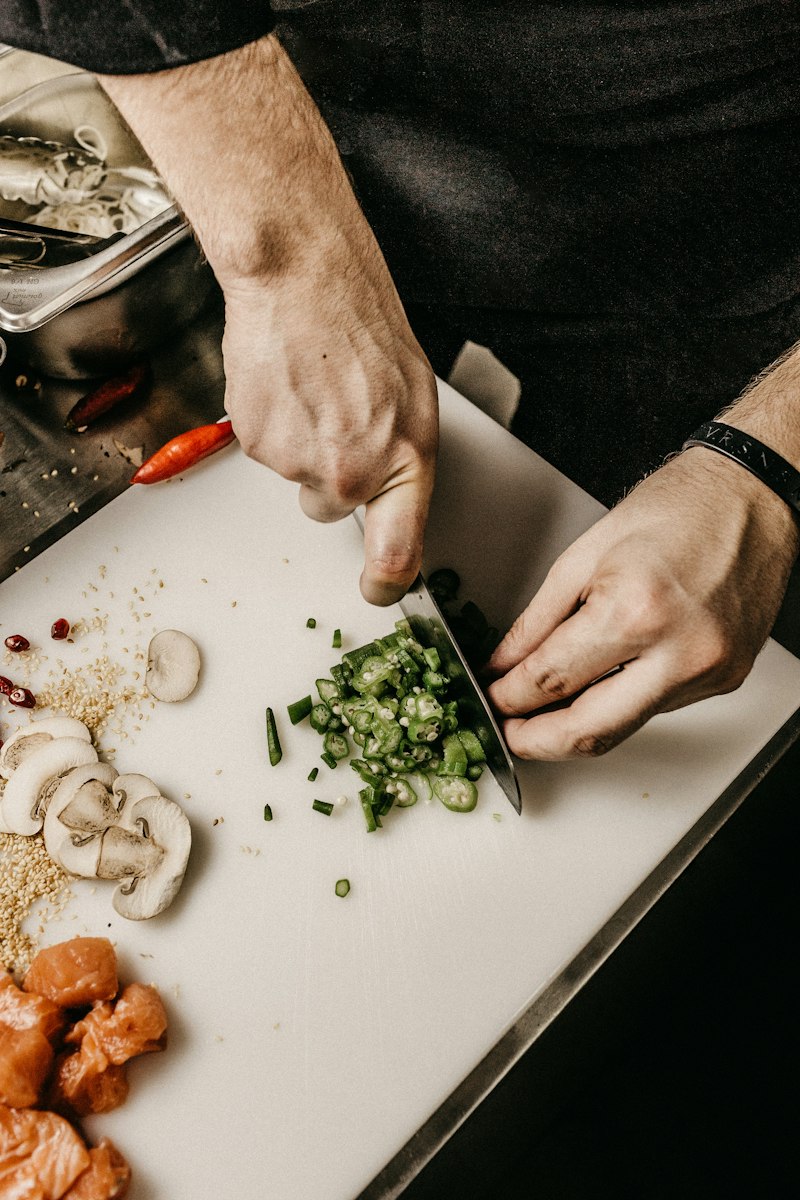 #1
#1Shibuya & Shinjuku Street Food Night Tour
Experience Tokyo's vibrant street food scene after dark. Navigate the neon-lit alleys of Shibuya and Shinjuku, sampling yakitori, ramen, takoyaki, and more from hidden local favorites.
Highlights
- ✓Visit hidden yokocho alleys
- ✓Sample 8+ different foods
- ✓Authentic ramen experience
Affiliate link · Prices may vary
 #2
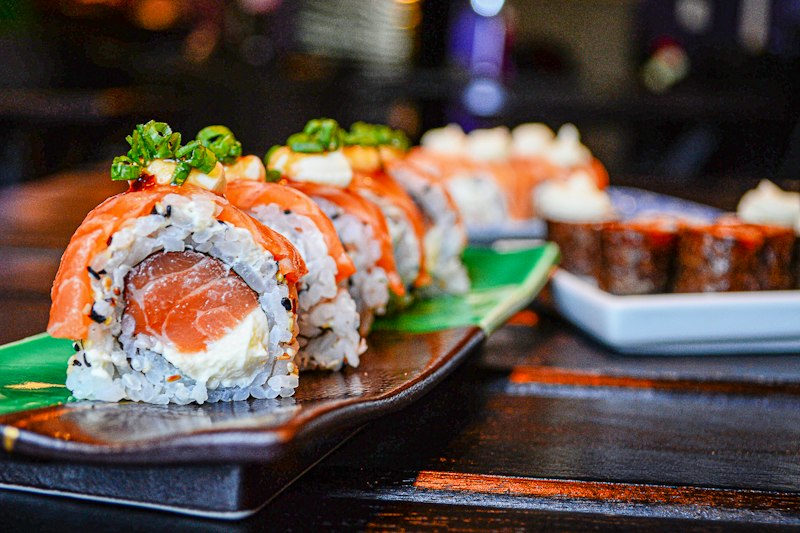
#2Tsukiji Outer Market Food Tour
Explore the legendary Tsukiji Outer Market with an expert guide. Taste the freshest sushi, tamago, pickles, and street snacks while learning about Japan's fish market culture and history.
Highlights
- ✓Freshest sushi in Tokyo
- ✓Famous tamago omelet
- ✓Japanese knife shop visit
Affiliate link · Prices may vary
 #3
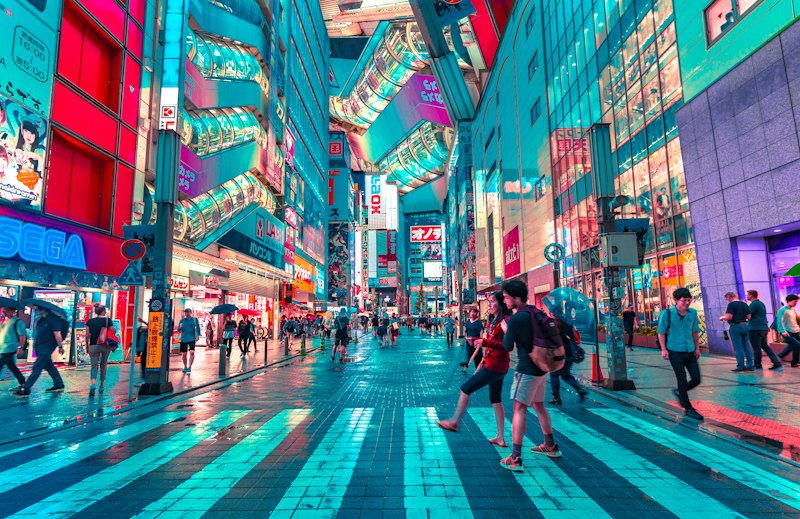
#3Asakusa Traditional Food Walking Tour
Discover old Tokyo's flavors in historic Asakusa. Walk through Nakamise shopping street and hidden backstreets, tasting traditional Japanese sweets, street snacks, and local specialties.
Highlights
- ✓Senso-ji Temple visit
- ✓Traditional wagashi sweets
- ✓Melon pan fresh from oven
Affiliate link · Prices may vary
Prices and availability subject to change. How we select experiences.
Yuki Tanaka
food travel writer and food tour enthusiast. Always searching for the next great meal.