
The chandelier swung like it was in on the secret. A server in 1920s tailcoat recited your table’s backstory while the pianist hit a noir riff, and you forgot the price of the ticket in the time it took to order another glass of bourbon.
This article is part of our Unique Dining Experiences collection.
You should care about how themed dining experiences are changing the restaurant industry because these nights do more than sell food — they sell memory. From murder mystery dinners in New York basements to dinner cruises casting golden light over Chicago’s skyline, themed dining rewrites what a meal can be: part theatre, part theater of comfort, part social experiment. If you plan date nights, group outings, or corporate events, this shift affects your options, your budget, and how you plan an evening that actually gets remembered.
Table of Contents
-
How Themed Dining Experiences Are Changing the Restaurant Industry
-
Operations, Staffing, and Revenue: The Business Side You Don’t See
-
Marketing, Access, and Where to Book: Cities, Venues, and Price Ranges
-
Community, Culture, and the Future: Why This Matters to You Frequently Asked Questions
-
Are themed dining experiences safe for guests with dietary restrictions?
-
Can themed dining work for corporate events or team-building?
Key Takeaways
- Themed dining transforms simple meals into immersive dining events that prioritize atmosphere and narrative over traditional service models.
- These concepts create new revenue streams — higher per-head prices, premium experiences, and repeat bookings — while demanding different staff skills and kitchen logistics.
- You can choose experiences by vibe, price, dietary flexibility, and dress code; booking tips and timing make the difference between a so-so night and an unforgettable one.
How Themed Dining Experiences Are Changing the Restaurant Industry
Restaurants used to compete on flavor and speed. Now they compete on story. The rise of themed concepts — themed dinner, dinner theater, supper club revivals, immersive dining — forces both independent operators and big groups to rethink floor plans, staffing, pricing, and promotion. Investors notice margins that look healthier when guests pay $95 for a theatrical tasting menu or $150 for a private murder mystery table for six.

.dd-viator-card{border:1px solid #e0d5c5;border-radius:10px;overflow:hidden;margin:28px 0;background:#fffbf5;font-family:inherit;max-width:720px} .dd-viator-card-header{background:#f5ede0;padding:10px 16px;font-size:13px;color:#7a6b5a;font-weight:600;letter-spacing:.3px} .dd-viator-card-body{display:flex;flex-wrap:wrap;gap:0} .dd-viator-item{display:flex;padding:16px;border-bottom:1px solid #f0e8db;width:100%;gap:14px;align-items:flex-start} .dd-viator-item:last-child{border-bottom:none} .dd-viator-img{width:110px;height:80px;border-radius:6px;object-fit:cover;flex-shrink:0} .dd-viator-info{flex:1;min-width:0} .dd-viator-title{font-size:15px;font-weight:600;color:#2c2318;margin:0 0 4px;line-height:1.3} .dd-viator-title a{color:#2c2318;text-decoration:none;border-bottom:1px solid transparent} .dd-viator-title a:hover{border-bottom-color:#b87333} .dd-viator-meta{font-size:13px;color:#7a6b5a;margin:0 0 8px;display:flex;gap:12px;flex-wrap:wrap;align-items:center} .dd-viator-stars{color:#d4a03c} .dd-viator-price{font-weight:700;color:#b87333} .dd-viator-cta{display:inline-block;background:#b87333;color:#fff!important;padding:6px 16px;border-radius:5px;font-size:13px;font-weight:600;text-decoration:none;transition:background .2s} .dd-viator-cta:hover{background:#9a5f28} .dd-viator-disclosure{font-size:11px;color:#a09585;padding:8px 16px 12px;border-top:1px solid #f0e8db} @media(max-width:600px){.dd-viator-item{flex-direction:column}.dd-viator-img{width:100%;height:160px}}
📍 Book Unique Dining Experiences
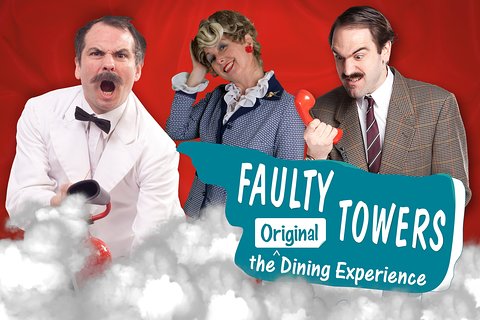
Faulty Towers The Dining Experience in London
★★★★½ 4.6 (985 reviews)From $102

Dining Experience with local family
★★★★½ 4.9 (89 reviews)From $78 · Free cancellation

Dining Experience at iconic Emirates Palace Abu Dhabi
★★★½☆ 3.9 (76 reviews)From $63
We earn a small commission if you book through our links — at no extra cost to you. This helps us keep reviewing experiences firsthand.
Design and Atmosphere: Why the Room Matters More Than Ever
Themed dining centers on atmosphere. Restaurants build intimate sets with lighting plots and sound cues, or convert warehouses into dinner stages. I’ve seen a supper club in Savannah turn a back room into an oak-paneled parlor; the table felt older than the menu. When ambience becomes the main course, seating layout, sightlines, and even the weight of a napkin gain importance.
Design choices change cost structures. You’ll see higher fixture costs and investments in AV, plus rules like “no phones” to preserve immersion. These constraints can be fantastic — the showstopping reveal of a hidden course lands better when phones are off — but they also affect who can attend. If you’re planning a group, ask whether the venue enforces a strict dress code or has quiet zones for folks who can’t handle full immersion.
Practical tip: If you want the best seats at a show-style dinner, ask for the front row table that’s one seat off-center; servers can reach you faster and the actors include you more often.
Menu and Culinary Innovation: Storytelling on the Plate
Menus in themed dining often read like scripts. Chefs translate plot points into courses: a poisoned amuse-bouche in a murder mystery, a fog-banked palate cleanser in a dark dining event, or a farmstead-themed tasting at a supper club highlighting local purveyors. That creative freedom produces indulgent dishes and experimental pairings you won’t find at the neighborhood bistro.
Practical tip: When booking, ask for a sample menu and the chef’s allergy protocol. Budget-minded diners can often choose a daytime seating or matinee that offers the same menu at a lower price.
Operations, Staffing, and Revenue: The Business Side You Don’t See
Themed experiences change labor models. Actors double as servers, sound designers become front-of-house managers, and kitchens schedule to match show runs. That means training cycles, rehearsal budgets, and new hiring searches for performers who can plate food without dropping the plot. Some of my favorite nights required watching a cast tweak cues during service — the kind of behind-the-scenes hustle that makes a night feel electric.
On the revenue side, themed dining often yields higher average checks and advance-ticketing revenue. A murder mystery dinner in Boston might list tickets at $65-95/person; premium packages — early entry, meet-and-greets, souvenir photos — push the check higher. Operators also rely on staged scarcity: limited seatings, fixed runs, and seasonal rotations keep demand high.
Practical tip: For corporate bookings, negotiate a semi-private run during off-peak nights for a lower per-head cost and more control over custom elements.
Marketing, Access, and Where to Book: Cities, Venues, and Price Ranges
Marketing moves fast because experiences are social media gold. A well-shot clip of a dinner cruise at sunset or a showstopping dessert reveal spreads faster than a new entrée. That changes how you discover options: Instagram and event platforms are often the best places to find limited-run themed dinners. But geography still matters. Cities with strong tourism scenes host the most varied experiences.
Here’s a quick guide to what to expect by city, with price ranges, dress codes, and typical group sizes:
City Example Experience Price Range Dress Code Group Size
New York The Dinner Detective, immersive supper clubs $75–$150/person Smart casual to cocktail 4–12 per table; 20–150 per show
Chicago Spirit of Chicago dinner cruise, dinner theater $60–$120/person Casual to dressy 2–10 per table; larger charters possible
San Francisco Hornblower Cruises, pop-up immersive dinners $85–$160/person Smart casual 2–8 per table; private events available
Miami Themed beachfront supper clubs, dinner cruises $70–$140/person Resort chic 2–12 per table
Nashville Music-driven dinner theatre $50–$120/person Casual to country cocktail 4–10 per table
New Orleans Historic-themed dinners, voodoo tours with supper $60–$140/person Casual to cocktail 2–8 per table
Boston The Dinner Detective, seafood supper clubs $65–$110/person Smart casual 2–10 per table
Seattle Immersive pop-ups, dark dining options $70–$150/person Casual to cocktail 2–8 per table
Savannah Historic supper clubs, ghostly dinner tours $50–$100/person Casual to historic dress encouraged 4–12 per table
LA Blackout glazing, immersive tasting rooms $80–$200/person Fashion-forward or black-tie depending on event 2–8 per table
Booking tips change with format. For a dinner cruise, book the 7 PM Saturday slot — the sunset views are worth the extra $20 — check current prices on Viator. For a murder mystery dinner, choose a mid-week performance if you want to be more of an audience member than a suspect (actors are more focused and scenes land cleaner). For pop-ups and seasonal runs, sign up for mailing lists; many venues release seats in waves and sometimes open small secret slots in the last 48 hours.
Practical tip: If you need wheelchair access, ask about sightlines. Some immersive shows use stairs and narrow passages that make front-row access tricky; a quick call will save you a disappointing entrance.
Pro tip: Book the earliest seating for summer cruises—less wind, better sunset, and servers move faster before the after-dinner show starts — book on Viator.
Community, Culture, and the Future: Why This Matters to You
Themed dining shapes local culture because it brings people together in formats that reward attention. These events revive neighborhoods by using underused spaces — basements, warehouses, historic parlors — and they often partner with local artists, musicians, and vendors. I’ve watched a pop-up in New Orleans that pulled in three local pastry chefs and a brass band; the money flowed to small businesses that don’t typically get event-stage exposure.
For travelers and locals alike, themed dining offers curated social options. You can choose an adventurous night in Seattle, a showstopping supper in San Francisco, or an intimate Victorian parlor in Savannah depending on mood and budget. They also present a new kind of culinary tourism: guests don’t just eat they participate.
Practical tip: If you want to support local talent, look for shows that list collaborating artists on their pages. Those events tend to reinvest in the community and produce richer menus and performances.
📍 More Experiences to Consider

BLACKOUT Dining in the Dark Experience, Dining Attraction
★★★★★ 5.0 (8 reviews)From $95

Phuket Dinner in the Sky Unique Luxury Dining Above the City
★★★★★ 5.0 (1 reviews)From $56

Branson Murder Mystery- Branson’s Original #1 Murder Mystery
★★★★½ 4.9 (1,513 reviews)From $80 · Free cancellation
We earn a small commission if you book through our links — at no extra cost to you. This helps us keep reviewing experiences firsthand.
Continue Reading
Explore these related articles for deeper study:
- Dinner In The Sky: Suspended Dining Experiences Around The World
- Speakeasy Bars And Secret Dining: Prohibition-Era Experiences Still Thriving
- Best Unique Dining Experiences For Large Groups And Parties
- Underground Supper Clubs: How To Find Secret Dining Experiences Near You
Frequently Asked Questions
How much should I budget for a themed dining night out?
Expect to pay more than a standard restaurant because you’re buying both food and theatre. Typical tickets run $50–$200 per person depending on the city, type of show, and whether drinks and gratuity are included — check current prices on Viator. Upgrades and premium packages can add $20–$100 more per guest.
Are themed dining experiences safe for guests with dietary restrictions?
Most reputable themed venues accept dietary requests, but they need advance notice. Call or email at least 48–72 hours before the event and confirm on the day; kitchens often prepare a limited set of substitutions rather than full à la carte options.
What should I wear to a themed dinner or supper club?
Dress codes range from casual to cocktail to full-period costumes. Check the event page — many supper clubs and dinner theaters list dress guidance, and some immersive shows encourage themed outfits. If you’re unsure, smart casual is a safe default unless the event explicitly calls for costume or black-tie.
Can themed dining work for corporate events or team-building?
Yes. Many operators offer private runs and custom experiences for corporate groups, with options for team exercises, custom branding, or private menus. You’ll usually get a better per-head rate for weekday or off-peak bookings and more control over timing and privacy.
How do I pick the best seat or table for an immersive show?
Seat choice depends on immersion level. Front-row tables are more interactive but can feel exposed; off-center front seats often hit the sweet spot for engagement without being called on. Ask the box office for photos of the seating map and whether servers and actors circulate.
To wrap up: themed dining isn’t a fad. It’s a rethinking of what a meal can be, and it’s reshaping everything from room design to revenue. If you want an unforgettable night, pick an experience that matches your tolerance for interaction and your budget — and call ahead for dietary needs.
Your next step: pick a city, decide the vibe you want, and book the best time slot you can afford. For sunsets on the water, snag the 7 PM Saturday cruise. For a theatrical laugh-and-clue night, get mid-week tickets to a murder mystery and request a table that keeps you at the edge of the action. Make the reservation, set a reminder to call about allergies, and show up ready to be part of the story.