
The curtain rises. A server in 1920s fringe drops a martini with a wink and a whispered clue. You lean forward because the room smells like charred citrus, the lights skitter low, and everyone around you has just agreed to pretend the next two hours are more magical than mundane.
This article is part of our Unique Dining Experiences collection.
?Have you ever wondered why an ordinary meal turns electric when a story, a set, or a secret joins the table — why immersive dining makes you laugh louder, remember details longer, and suddenly care who gets poisoned in Act Two?
Table of Contents
- The Essentials- Why Your Brain Loves a Story and a Plate- The Role of Surprise, Suspense, and Sensory Design- Social Mechanics: Why You Play Along- Control, Agency, and the Thrill of Role-Playing- Memory, Meaning, and Why You’ll Tell the Story Again- Frequently Asked QuestionsWhat is immersive dining and how is it different from themed dinner events?- How much do immersive dining experiences typically cost?- What should I wear to an immersive dinner?
The Essentials
- Immersive dining hooks you by combining sensory cues, social play, and clear narrative goals, making a meal feel like an unforgettable event.
- Emotional peaks — surprise, curiosity, intimacy — boost memory and pleasure, which explains why a themed dinner can eclipse a great restaurant.
- Practical booking tips and dress-code strategies help you pick the right immersive format — murder mystery dinner, dinner cruise, or supper club — so you leave satisfied, not annoyed.
Why Your Brain Loves a Story and a Plate
When you sit at an immersive table, your brain stops skimming and starts tuning. Stories activate the same memory circuits that food cues do: aroma, texture, and the exact moment you laughed at a line. That overlap explains why a single night at a themed dinner can outshine several ordinary restaurant meals.
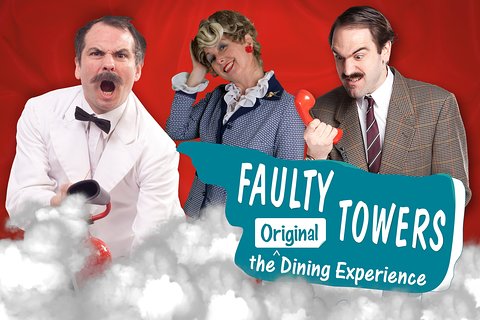
Faulty Towers The Dining Experience in London
★★★★½ 4.6 (985 reviews)From $102

Private Cooking and Dining Experience in Bengaluru
★★★★★ 5.0 (35 reviews)From $100 · Free cancellation

Dining Experience at a local’s Home in Livorno with Show Cooking
★★★★½ 4.9 (33 reviews)From $102 · Free cancellation
We earn a small commission if you book through our links — at no extra cost to you. This helps us keep reviewing experiences firsthand.
The Role of Surprise, Suspense, and Sensory Design
Surprise triggers dopamine spikes, and that chemical reward is what makes a night feel indulgent and unforgettable. A sudden reveal at a murder mystery dinner in Chicago or Boston — a planted clue or a guest who turns suspiciously theatrical — creates a memory anchor. You’ll recall not only the punchline but the taste of your amuse-bouche at that exact second.
Sensory design matters. Low light, tactile menus, the clink of antique silverware, and a soundtrack tuned to the theme prime your senses for immersion. When venues like a supper club in New Orleans layer smell, sound, and storytelling, your brain stitches those inputs into a stronger, more vivid memory than a standalone great dish ever could.
Practical tip: If you have dietary needs, call ahead. Many immersive shows in Miami, LA, or Nashville can alter courses for vegetarian or gluten-free diners (prices often sit in a range: $65–$120/person), but they need notice to keep timing intact and actors on cue.
Social Mechanics: Why You Play Along
You show up to an immersive dinner partly to eat, but mostly to be seen doing something a little bold. That shared risk — dressing up for a 1920s supper, shouting a clue, collaborating on who the suspect is — creates instant group bonding. Your brain rewards social synchrony; when you laugh at the same beats and gasp together, oxytocin quietly bonds the table.

Practical tip: For a tighter experience, book a medium-sized table (6–8) — book on Viator. If you want to connect quickly, pick interactive formats where guests input decisions — some dinner theater shows in Chicago and New York split tables into competing houses, which adds playful rivalry.
Control, Agency, and the Thrill of Role-Playing
You like to feel involved without carrying responsibility for the whole night. Immersive dining hands you just enough agency to feel powerful — picking a clue, choosing your costume hat, or privately accusing someone — while directors keep the stakes pleasingly low. That balance between control and surrender releases comfort and excitement simultaneously.
Different formats give you different levels of agency. A themed dinner at a supper club might ask you to adopt a persona, while a dark dining experience in San Francisco might remove sight and increase trust. Knowing what you want — active participation or passive observation — prevents booking regret.
Practical tip: Read the event’s participation level on the booking page. If a show recommends “audience participation,” plan to be vocal and dress for movement. If it flags “observational,” consider a slightly dressier outfit and sit where you can still see the performers clearly.
Memory, Meaning, and Why You’ll Tell the Story Again
Psychologists call the way you retell a memorable evening “rehearsal.” Immersive nights give you prime material: a twist, a sensory detail, a hilarious fail, and maybe a dramatic reveal on a dinner cruise as city lights slide by. Rehearsing the story with friends strengthens the memory and extends the pleasure of the event long after dessert.
That’s also why themed nights are so appealing for celebrations. You don’t just toast a birthday; you recount the exact line an actor said that made everyone cry with laughter. Memory and meaning bind together to make an experience feel intimate and irreplaceable.
Practical tip: Take one photo early and one late. Many venues ask you to switch phones off during key moments; respecting that rule makes the experience purer. Keep photos to two so you can still rehearse the night verbally without troubling your camera roll.
Pro Tip: If a venue offers an optional pre-show cocktail hour, take it — you’ll warm into the mood, meet your tablemates, and avoid the awkward “first-5-minutes” silence that kills immersion. Ask the host about allergies when you check in, not while the appetizers are arriving.
Continue Reading
Explore these related articles for deeper study:
- Immersive Dining Experiences That Feel Like Entering Another World
- How Themed Dining Experiences Are Changing The Restaurant Industry
- Dinner Theater Vs Immersive Dining: What’s The Difference?
- The Best Immersive Dining Experiences In The US Right Now
Frequently Asked Questions
What is immersive dining and how is it different from themed dinner events?
Immersive dining blends narrative, environment, and sensory cues so the meal becomes part of a story rather than just a backdrop. A themed dinner decorates the space and menu; immersive dining asks you to interact, react, or even perform, making you a participant in the evening’s arc.
How much do immersive dining experiences typically cost?
Prices vary by city and production style. Expect $45–$85 for many murder mystery dinner shows, $75–$200 for most dinner cruise packages, and $60–$150 for curated supper club evenings. Premium or limited-seating events in New York, San Francisco, or New Orleans can climb higher.
What should I wear to an immersive dinner?
Check the event’s dress code, but most immersive nights ask for themed attire or smart casual. For a 1920s supper in Chicago pick cocktail attire; for a pirate-themed dinner in Miami lean into playful costumes. When in doubt, ask the box office — some venues post strict costume rules for safety and continuity.
You loved the scene at the top because it was specific — a martini, a clue, and that electric hush. Now act like someone who knows what makes an evening memorable: pick a format, check the participation level, and reserve a table that puts you where the action actually happens. If you want a safe bet, book a Saturday 7 PM slot on a reputable murder mystery dinner in Chicago or a sunset dinner cruise in New York; the sunset and the scripted chaos are worth the extra $20–$30.